
Turning Fear into Compassion
Oct 28, 2026Recently, another flood surge tore through the lower Tsum Valley, traced upstream to melting glacier runoff. An entire village was swept away. The access road, trekking trails, and bridges were destroyed. For our April 2027 pilgrimage, that means the trek is canceled and we'll travel in and out by helicopter.
That is a small price for us. The farmers and villagers who call this region home live a subsistence life close to nature. They rely on whatever income remote trekking brings. They are the ones who have lost everything.
The worst part is that this flood was smaller than the one a month earlier near the China-Tibet border. That event killed many people and was broadcast around the world. The images of a black deluge sweeping away everything in its path are now called the Himalayan Tsunami, and they stayed with me. I thought immediately of tonglen.
- Tonglen: Giving and Taking
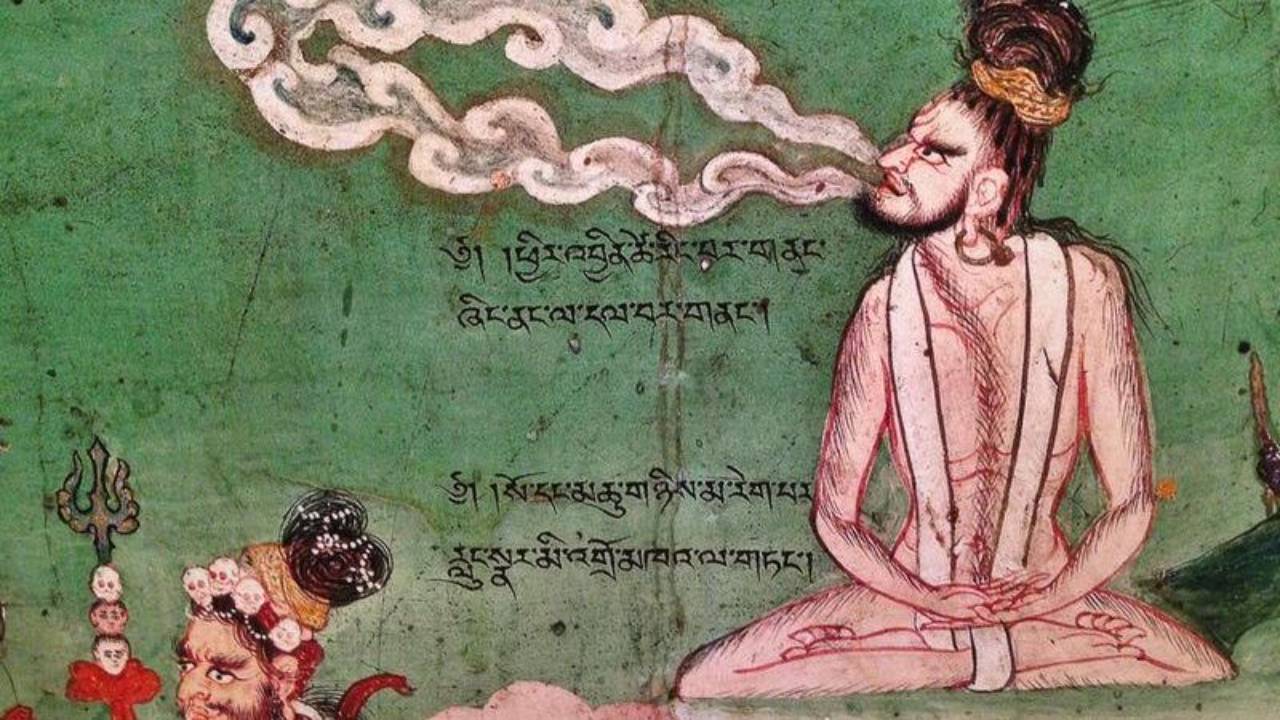
Tonglen is a Tibetan Buddhist purification practice that reverses our instinct to cherish and protect ourselves. You visualize black sludge, the grasping, aversion, and delusion of suffering beings. You draw it in on the breath, down to your heart, where it destroys your own self-grasping. Then, from bodhichitta, the resolve to awaken for the benefit of others, you send out white light from the openness the tsunami left behind. That light is your buddha nature, shared with every being. It reassures them, helps them feel safe and connected, and reminds them who they are. In goes the dark, out goes the light, back and forth.
It can sound naive, even privileged, when real people have lost their families and livelihoods. What are we to make of it?
- A Buddhist Form of Activism
I see these meditations as activism. They don't replace the protest, advocacy, and aid we know in the West. Those address real needs for safety, sustenance, and justice, and they matter. Buddhism has its own tradition of working at that conventional level. Dr. B.R. Ambedkar fought caste oppression in India and led hundreds of thousands of Dalits into Buddhism in 1956. Thich Nhat Hanh brought "engaged Buddhism" to the Vietnam War and built Plum Village as a community of peace and healing.
Practices like tonglen add another route. It is slower and works deeper, in the psyche, where the source of our global troubles lies: the compulsive mind of blindness and reactivity. Tonglen belongs to lojong, mind training, the tradition that inspires my own pilgrim's mindset teachings. Lojong takes adversity as the path and treats obstacles as chances to grow.
In a world of natural disasters, famine, war, and economic collapse, these are the teachings I think we most need. The Himalayan Tsunami may be a harbinger. Climate change ripples outward and will eventually reach us all. The teaching asks us first to take responsibility, then to purify the root causes, and then to see how interconnected and fragile life is. It shouldn't send us into panic or paralysis. It should awaken our altruism.
Bodhichitta starts from the world's suffering and asks what use I can be, limited as I am by my own nervous system and self-interest. The answer is to use the heartache as fuel, to wake up and become freer so I can make a lasting difference. We help at the relative level and we work at the ultimate level too.
- Sri Lanka, 2019
I've faced this before. One month before our 2019 Sri Lanka pilgrimage, the Easter bombings killed more than 260 people. Our group was shaken. Terrorism is designed to disrupt in just this way, by turning fear into a weapon.
We decided to go. Our travel spending would reach people who depend on it. We went a step further and collected shells on a beach in Miami, USA, one for every victim, and carried them all the way to Sri Lanka. We carried them around every sacred stupa and into prayer and remembrance. On the last day we released them into the Indian Ocean outside Colombo, dissolving the separation between us and them. Shells from one shore returned to another: interdependence made visible.
Tsum Valley offers the same chance. We can turn from fear toward the needs of others, keep them in our hearts, and take the inconveniences as part of the path.
- Join Us
Learn more about the 2027 Tsum Valley pilgrimage here.
In May 2027, I'll also be teaching compassion principles and practice on the Camino de Santiago, walking the practice into the body, step by step.
In the new year, I'm teaching a twelve-week course on Jung and Tibetan Buddhism. It includes the tonglen and Vajrasattva practices, and it helps us turn our blind spots into fodder for maturity. I hope you'll join me.
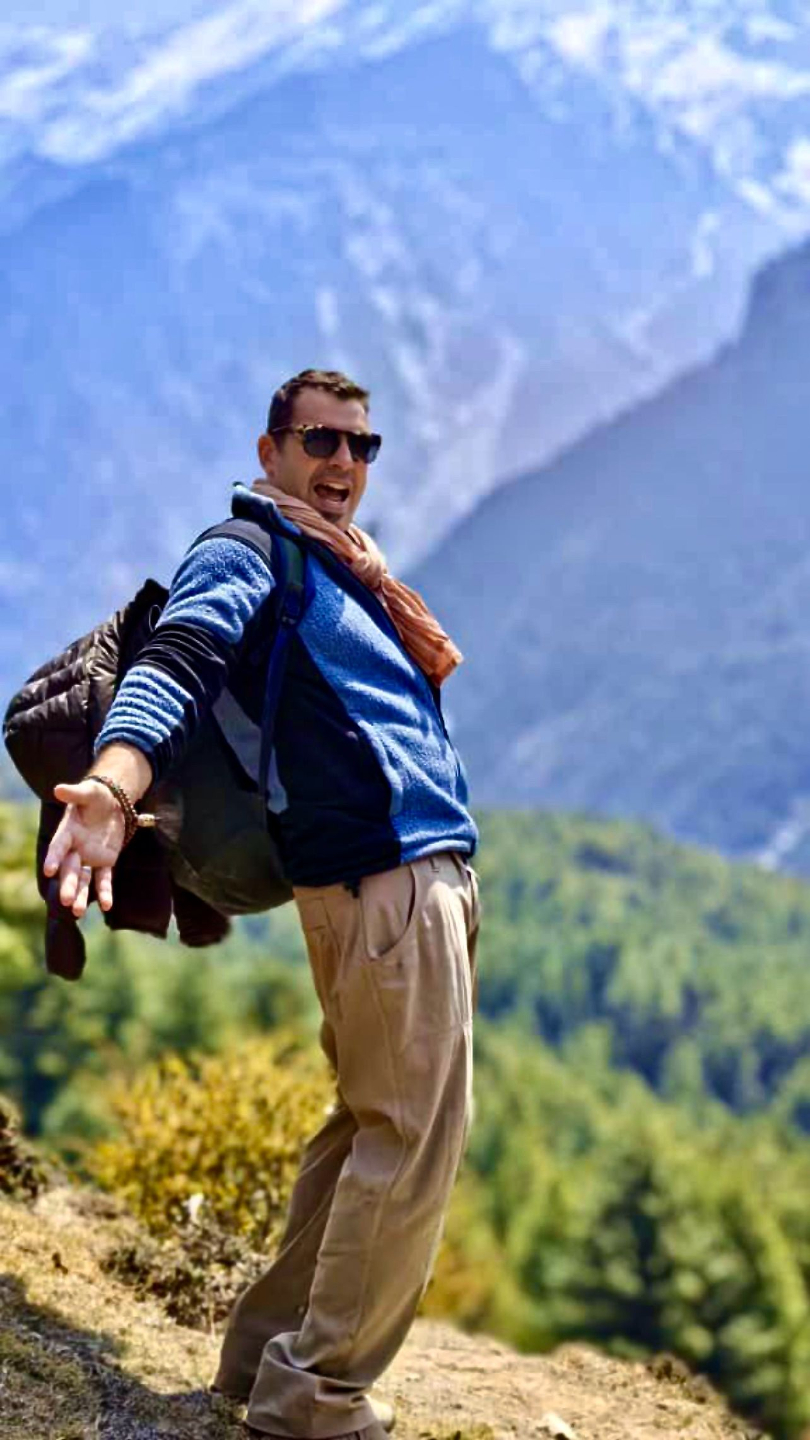
Miles Neale, Psy.D. is a licensed psychotherapist in private practice, Buddhist teacher, and pilgrimage guide based in Bali. He is the founder of The Gradual Path, and former instructor of psychology and meditation at Weill Cornell Medical College. He is the author of Return with Elixir (Inner Traditions, 2025) and Gradual Awakening, and co-editor of Advances in Contemplative Psychotherapy.
Stay connected with news and updates!
Join our mailing list to receive the latest news and updates from our team.
Don't worry, your information will not be shared.
We hate SPAM. We will never sell your information, for any reason.

